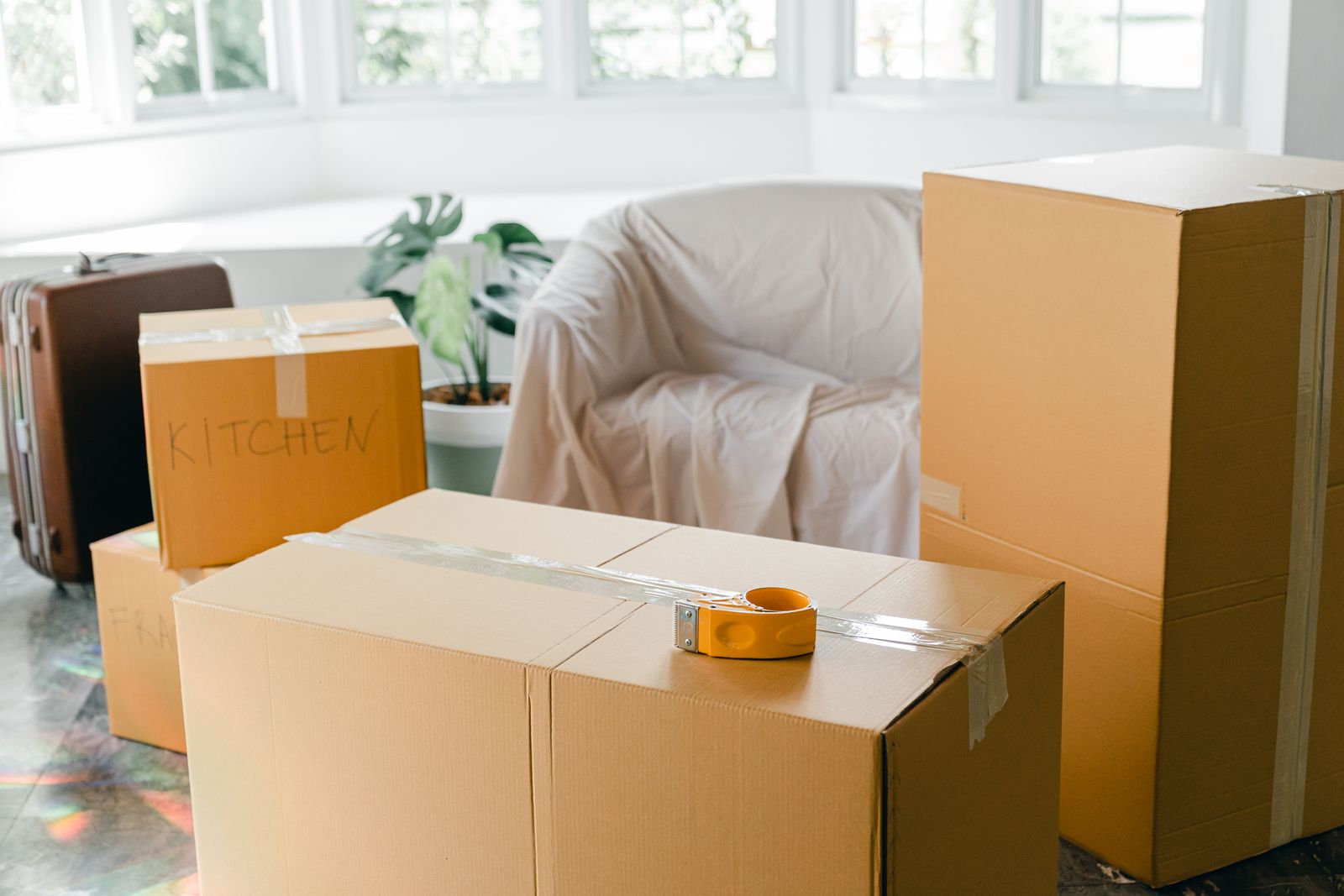
Downsizing to a Small Home: A Junk Removal Plan That Works
Downsizing sounds simple until you stand in a four-bedroom house and realize everything has to fit into a one-bedroom apartment. The furniture, the garage shelves, the boxes nobody has opened since the last move. Something has to go, and most of it has to go before the truck shows up.
The good news is that a smaller home is easier to keep clean, cheaper to run, and far less stressful to manage once you are settled. The hard part is the transition. This guide gives you a practical order of operations: measure first, sort room by room, plan the heavy lifting around your building's rules, and book junk removal and cleaning so moving day is about moving, not hauling.
Key Takeaways
- Measure your new floor plan, doorways, and elevator before deciding what to keep. Furniture that cannot get through the door is not coming with you.
- Sort every room into five piles: keep, sell, donate, recycle, and remove. Decide on each item once.
- Most discarded furniture ends up in a landfill, so donating and recycling first keeps usable pieces out of that pile.
- Schedule junk removal one to two weeks before your move, and book move-in/move-out cleaning for after the rooms are empty.
Step 1: Measure Your New Space Before You Decide What Stays
The first downsizing decision should come from a tape measure, not from sentiment. Get the floor plan of your new apartment or tiny home and measure each room, closet, and wall where furniture will sit.
Then measure the path in. Doorway widths, hallway turns, stairwell landings, and elevator interiors decide what can physically get inside. A sectional that fits the living room on paper is useless if it cannot clear the hallway corner on the fifth floor.
A few habits make this step faster:
- Map your big pieces. Sketch the new layout and mark where your sofa, bed, dresser, and table will go. Anything without a spot goes on the "remove" or "sell" list.
- Check clearance, not just footprint. Leave room to open drawers, pull out chairs, and walk past the bed. A room that technically holds a piece can still feel cramped.
- Favor pieces that do two jobs. Storage ottomans, drop-leaf tables, sleeper sofas, and beds with built-in drawers earn their space in a small home. Single-purpose bulky furniture usually does not.
Once you know what fits, the oversized items become an easy call. Line them up for sale, donation, or junk removal from Tidy House Keepers well before moving week.
Step 2: Sort Room by Room With Five Clear Piles
The fastest way to downsize is to decide on each item once. Work one room at a time and give everything a destination:
- Keep: fits the new space and you use it regularly
- Sell: good condition and worth the effort to list
- Donate: usable, but not worth selling
- Recycle: electronics, metal, cardboard, and other materials your county collects separately
- Remove: broken, worn out, or not worth anyone's time to rehome
| Pile | What goes in it | Where it goes |
|---|---|---|
| Keep | Fits the new space, used regularly | Moving truck |
| Sell | Good condition, worth listing | Online marketplace or consignment |
| Donate | Usable, not worth selling | Local charity or reuse store |
| Recycle | Electronics, metal, cardboard | Local recycling or e-waste program |
| Remove | Broken or worn out | Junk removal |
Each room tends to get stuck in its own way.
Living Room and Media Area
Living rooms collect bulky, outdated pieces: entertainment centers built for old TVs, extra end tables, and recliners that will not fit a smaller layout. Old electronics deserve their own pile. Check your local rules before tossing a TV or computer, since many areas collect electronics separately. EPA lists electronics donation and recycling options.
Kitchen and Dining Area
Small kitchens have small cabinets. Pull out duplicate pots, rarely used appliances, mismatched glassware, and that second set of dishes. If your new place has a dinette instead of a dining room, the full table and six chairs probably need a new home.
Bedrooms and Closets
Bedrooms hide the heaviest items in the house: dressers, armoires, bed frames, and mattresses. Decide early which bed is coming with you. Old mattresses are awkward to move, so put them on the removal list right away.
Basements, Attics, Garages, and Storage
This is where downsizing projects stall. Storage spaces hold years of boxes, holiday decorations, old tools, and furniture "we might need someday." Your new home likely has a fraction of this space. Go through it first, not last, because it usually takes the longest.
Our take: Many people start with the easiest room and leave storage for the final weekend. We recommend the opposite, because storage areas are where the surprises hide. Clearing the basement or garage first shows you how much you really own, and it makes every room after it feel faster.
Step 3: Plan the Heavy Lifting Around Your Building
Moving large furniture in apartment buildings and condos is different from a driveway move. Narrow halls, shared elevators, and finished walls leave little room for error. Dollies, furniture pads, and a second set of hands help prevent damage.

Photo: Alan Antony via Pexels (Pexels License).
Coordinate Elevators, Loading Docks, and Move Times
Before you book anything, call your property manager or condo office at both the old and new buildings. Ask about:
- Freight elevator reservations and padding requirements
- Loading dock hours and where trucks can park
- Allowed move-in and move-out windows (some buildings limit weekend or evening moves)
- Any certificate of insurance requirements for service providers
Getting these answers early keeps your junk removal, movers, and cleaners from showing up on the same tight morning.
Decide Between Full Hauling and a Helping Hand
Some households only need muscle: they have a truck and a plan for the items. Many downsizers need the full job, which means loading, hauling, and responsible disposal. With Tidy House Keepers junk removal, our team carries out the items you no longer need, including furniture, appliances, mattresses, and general household clutter, so you are not wrestling a dresser down three flights of stairs.
Step 4: Clear Out Responsibly
Responsible removal means sorting before disposing. Usable furniture and household goods can often be donated, metals and many electronics can be recycled, and only what is left goes to disposal.
That matters more than most people expect. According to the U.S. Environmental Protection Agency, Americans generated about 12.1 million tons of furniture and furnishings waste in 2018. About 80.1% of it was landfilled, and less than 1% was recycled. These are the most recent figures EPA has published for this category (EPA, Durable Goods: Product-Specific Data). Every piece you sell or donate during a downsize is one less piece in that total.
A quick note on hazardous materials. Paint, automotive fluids, propane tanks, pool chemicals, and similar items usually cannot go out with standard junk removal. EPA explains how to handle household hazardous waste safely, and local programs such as Fairfax County and DC Public Works take these items. Set them aside early and ask about anything you are unsure of when you book.
Step 5: Build Habits That Keep a Small Space Clutter-Free
Downsizing is a one-time project. Staying downsized is a habit. These four make the biggest difference:
- One in, one out. When something new comes home, something old leaves. It is the simplest way to stop clutter from creeping back.
- Build up, not out. Wall shelves, over-door organizers, and tall bookcases add storage without eating floor space. Keep vents, outlets, and exits clear.
- Go digital. Scan old paperwork, receipts, and printed photos before the move. A few gigabytes take up less room than a filing cabinet.
- Clean on a schedule. Small spaces show mess quickly. A recurring cleaning plan keeps a compact home feeling open.
Step 6: Finish With Junk Removal Plus a Move-In/Move-Out Clean
Once the furniture is gone, both homes still need attention. Your old place needs to pass the final walkthrough, and your new place deserves a fresh start before your things go in. Empty rooms show every scuff, dust line, and forgotten crumb.
That is why we suggest pairing the two services. Schedule junk removal first to clear out what is not coming with you, then book a move-in/move-out cleaning once the rooms are empty. Tidy House Keepers handles both across Maryland, Northern Virginia, and Washington DC, so you deal with one team instead of coordinating several. Learn more about us, and see our move-out cleaning checklist to prepare for the final walkthrough.
Frequently Asked Questions
How far ahead should I schedule junk removal when downsizing?
Aim for one to two weeks before your move. That gives you time to sort, sell, and donate first, and it leaves room to adjust if your building limits elevator or loading dock times. Booking early also keeps removal from landing on the same day as your movers.
Can heavy furniture be removed from an upper-floor apartment?
Yes. Upper-floor removals are common in DC metro buildings. Let the team know the floor, whether there is an elevator, and any building rules about reservations or padding so the right crew and equipment show up.
What items usually cannot go with junk removal?
Hazardous materials such as paint, solvents, automotive fluids, propane tanks, and pool or garden chemicals typically need separate disposal. Your county's household hazardous waste program is the right place for them. If you are unsure about an item, ask when you book.
Should I clean before or after junk removal?
After. Clearing furniture and clutter first exposes the floors, baseboards, and corners that need the most attention. A move-in/move-out clean done in an empty home is faster and more thorough.
How do I book junk removal or cleaning with Tidy House Keepers?
You can book junk removal or cleaning online. Pick the service you need, choose a time that works around your move, and our team will confirm the details with you.
Conclusion
A smaller home can give you more time, lower costs, and a lot less to manage. Getting there takes a plan: measure before you pack, sort each room once, coordinate with your building, and clear out what does not fit before moving day.
When you are ready, let Tidy House Keepers carry the heavy part. Start with junk removal, finish with a move-in/move-out cleaning, and book your service here.
Cover photo: Ketut Subiyanto via Pexels (Pexels License).
