Originally inspired by "How power washing can improve the hygiene and safety of commercial properties" by Satnam Singh, published on Medium. Read the original: medium.com/@satnambhogal.
Why Power Washing Belongs on Every Commercial Property's Maintenance Checklist
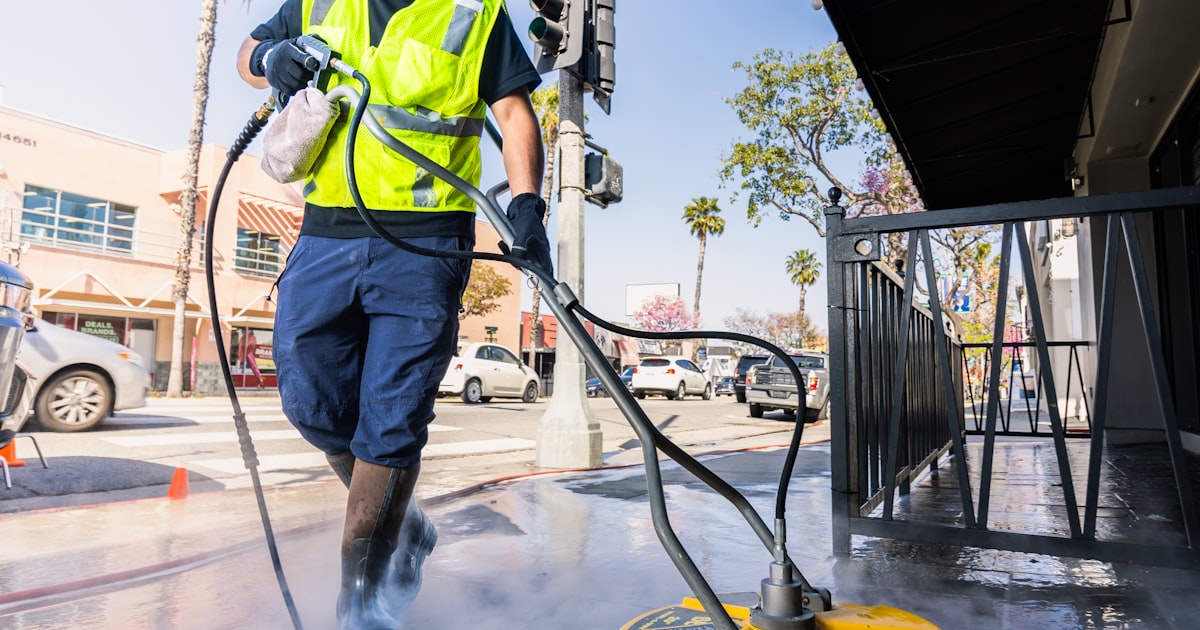
A commercial building collects more than dust between cleanings. Sidewalks pick up grease, dumpster pads grow mildew, and parking lots trap the kind of grime that turns dangerous the first time it rains. Power washing, high-pressure water cleaning of exterior surfaces, clears all of that away in a single visit, and it does more than make a property look presentable. Done regularly, it protects the people who walk your grounds and the surfaces that carry your brand.
Key Takeaways
- Power washing strips away mold, mildew, and buildup that can affect indoor and outdoor air quality around a commercial property.
- Clean walkways and parking lots mean fewer slip-and-fall hazards, one of the most common liability claims property owners face.
- Regular exterior cleaning removes graffiti, oil stains, and gutter debris before they turn into bigger repair bills.
- A consistent power washing schedule extends the life of concrete, brick, and siding, which is cheaper than replacing them.
- The right provider brings insured technicians, commercial-grade equipment, and a maintenance plan built around your property, not a one-time job.
Hygiene Starts Outside the Building
Mold and mildew do not stay put. They spread across siding, loading docks, and shaded walkways wherever moisture sits too long, and they can affect the air quality customers and employees breathe near entrances and outdoor seating. A thorough power wash lifts these organisms off the surface rather than just knocking down what is visible, which is why a single pass tends to keep an area cleaner for longer than a quick hose-down or a scrub with a broom.
Fewer Slip-and-Fall Risks on Walkways and Parking Lots
Algae film on a shaded walkway, oil residue near loading zones, and the general grime that builds up on parking lots all create the same problem: a slippery surface that a visitor does not see coming. Power washing removes that buildup before it becomes an incident report. For property managers, that is not a cosmetic upgrade, it is one of the more direct ways to reduce liability exposure on a site that sees regular foot and vehicle traffic.
Protecting the Property's Appearance and Its Value
Graffiti, rust streaks, and oil stains do not just look bad, they signal neglect to anyone walking up to the building, whether that is a tenant, a customer, or a prospective buyer. Power washing removes them along with the dirt and grime that dulls brick, stucco, and concrete over time. Left alone, that buildup works its way into the surface itself, which shortens the life of exterior materials and eventually turns a cleaning job into a repair job. Clearing gutters and downspouts during the same visit also heads off water damage before it starts, which is a much smaller expense than fixing a foundation or fascia problem later.
Building a Maintenance Schedule That Actually Works
A single power wash helps, but a schedule protects the investment. Most commercial properties in the DMV area hold up well on a quarterly to twice-yearly rhythm, with high-traffic zones like entrances, loading docks, and parking areas getting attention more often. A provider who understands your property type, whether it is a retail strip, a multi-unit building, or a light-industrial site, can build that cadence around your actual traffic patterns instead of a generic calendar.
Tidy House Keepers works with property managers and small business owners across Maryland, Northern Virginia, and the Washington DC metro to keep exteriors clean, safe, and presentable year-round as part of our office and commercial cleaning services. If your building is due for a deeper reset first, our deep cleaning service is a solid starting point before moving to a regular schedule.
Frequently Asked Questions
How often should a commercial property be power washed?
Most properties do well with a full exterior wash two to four times a year, with entrances, dumpster pads, and parking areas checked more frequently if the property sees heavy foot or vehicle traffic. Buildings near trees or in shaded areas often need mold and mildew control more often than buildings in direct sun.
Is power washing safe for every type of building material?
No, and this is where an experienced provider matters. Brick, concrete, and most siding handle standard pressure washing well, but softer materials like older stucco, painted wood, or certain roofing need lower pressure or a soft-wash approach to avoid damage. A good provider adjusts pressure and technique by surface, not a single setting for the whole property.
Can power washing help with slip-and-fall liability?
It can meaningfully reduce the risk. Algae, oil residue, and general grime on walkways and parking lots are common contributors to slip-and-fall incidents, and removing that buildup on a regular schedule is a straightforward way to lower that exposure. It is not a substitute for proper signage or de-icing during winter weather, but it addresses a hazard that is easy to overlook until someone gets hurt.
Will power washing damage landscaping or nearby plants?
It shouldn't, if the provider takes basic precautions. Rinsing or covering nearby plants, using the right cleaning solutions, and controlling runoff all matter. Ask any provider you're considering how they protect landscaping before work begins.
What is the difference between power washing and pressure washing?
The terms are often used interchangeably, but power washing typically uses heated water in addition to high pressure, which makes it more effective against grease, oil, and mold. Pressure washing uses unheated water. For most commercial exterior jobs, either can work well depending on the surface and the type of buildup being removed.
The Bottom Line
Power washing is one of the simpler line items on a property maintenance budget, and one of the most overlooked. It protects the health of everyone who walks through your doors, reduces a genuine liability risk, and keeps exterior surfaces from turning into expensive repairs down the road. If it has been a while since your property's exterior had a real cleaning, that is worth fixing before the next season change, not after.
Ready to put your property on a regular schedule? Get a free quote from Tidy House Keepers and we'll walk your property with you before recommending anything.
