10 Simple Cleaning Hacks to Keep Your Home Sparkling Every Day
"Cleaning and organizing is a practice, not a project." — Meagan Francis, writer and podcast host
Keeping a home clean doesn't have to mean losing a Saturday to scrubbing. A handful of small habits, done consistently, do more for a home than one exhausting deep clean every few months. Here are 10 that are quick, backed by real research where the science matters, and easy to fold into a normal week.
Key Takeaways
- Microwaving a wet sponge for two minutes kills up to 99.9999% of the bacteria on it, according to USDA Agricultural Research Service testing (USDA ARS).
- Between 90% and 99% of the bacteria on a shoe sole transfers to a clean floor on contact, which is why an entryway shoe rule matters more than people think (Cleveland Clinic).
- White vinegar's roughly 5% acetic acid dissolves the mineral deposits that cause streaks on glass, and it evaporates cleanly instead of leaving residue behind.
- None of these hacks replace a deeper clean. They just close the gap between visits.
1. Microwave a Wet Sponge to Sanitize It
A kitchen sponge is one of the germiest objects in most homes, mostly because it's damp and sitting at room temperature most of the day. USDA Agricultural Research Service testing found that microwaving a wet sponge kills roughly 99.9999% of the bacteria on it, slightly outperforming a dishwasher cycle (USDA ARS). A separate lab study found the effect held even for sponges carrying E. coli and Salmonella after just two minutes of microwaving (NIH/PMC).
Wet the sponge first; a dry one can scorch or catch fire. Two minutes on high is enough, and it's worth doing every couple of days rather than waiting until the sponge smells.
2. Sprinkle Baking Soda to Freshen Carpets
Baking soda (sodium bicarbonate) is a mildly basic compound, which lets it neutralize the acidic odor molecules behind most everyday smells instead of just masking them with fragrance. It's a light-duty fix, not a deep clean: it lifts surface odors from foot traffic, pets, and cooking, but it doesn't break down grease or lift stains buried in the fibers.
Sprinkle it on, give it 15 to 30 minutes for a quick refresh (or leave it overnight for a stronger smell), then vacuum it up. Do this before a full vacuum pass, not after, so the loosened odor particles actually get pulled out.
3. Use a Vinegar Solution for Streak-Free Glass
Acetic acid is the compound in white vinegar that does the work here. Standard distilled vinegar runs about 5% acetic acid, strong enough to dissolve mineral deposits and grime without scratching the glass. It also evaporates cleanly, which matters as much as the acid itself. Heavier-duty commercial glass cleaners with more surfactant can leave behind a thin residue that shows up as streaks once it dries.
Mix equal parts white vinegar and water in a spray bottle, spray, and wipe with a microfiber cloth or crumpled newspaper. Skip this on natural stone surfaces near the window frame; the acidity can etch marble or limestone.
4. Keep a Shoes-Off Rule at the Door
Shoe soles pick up far more than most people expect. When a contaminated sole touches a clean floor, 90% to 99% of the bacteria on it transfers immediately, making the first few steps into a room the dirtiest patch of floor in the house (Cleveland Clinic).
A shoe rack or basket right at the entry makes the habit easy to keep. It won't replace mopping, but it noticeably slows how fast floors need it, especially in homes with young kids who spend a lot of time on the ground.
5. Reach for a Dryer Sheet When Dusting
A used dryer sheet still carries a light anti-static coating. That coating helps it grab dust off blinds, baseboards, and TV screens instead of just scattering it into the air the way a dry cloth can. It's a good way to get a second use out of sheets before tossing them, and it works well on the narrow slats and corners that a regular cloth struggles to reach.
6. Microwave a Damp Sponge Before Wiping Down the Fridge
Spills and expired food make the inside of a fridge one of the kitchen spots most likely to spread bacteria between items, especially raw meat juices touching other food. That's why the two-minute microwave trick from hack #1 is worth repeating right before a fridge wipe-down: a freshly sanitized sponge means you're not reintroducing bacteria onto surfaces that hold raw food.
Pro tip: Hacks #1 and #6 work best as a pair, not two separate tips. Sanitizing the sponge only pays off if it happens right before the highest-risk surface gets wiped, not on a fixed weekly schedule disconnected from when the fridge actually needs attention.
7. Use a Squeegee to Pull Pet Hair Off Upholstery and Carpet
A rubber squeegee, pulled across a carpet or couch cushion in short strokes, tends to gather stuck pet hair into a pile faster than a standard vacuum attachment. The idea is that rubber builds up a light static charge as it drags, which lifts embedded hair a vacuum's suction alone often misses, especially on textured upholstery. Follow it with a normal vacuum pass to pick up what the squeegee pulled loose.
8. Clean as You Cook
Wiping counters, rinsing utensils, and loading dishes into the sink while a meal is still cooking turns a 20-minute after-dinner cleanup into a five-minute one. It also means splashes and spills get wiped before they dry and set, which is the difference between a quick wipe and actual scrubbing.
9. Use a Small Amount of Toothpaste to Polish Chrome
Non-gel toothpaste contains mild abrasives, the same ones formulated to polish tooth enamel, and those same abrasives can buff light water spots and tarnish off faucet handles, drain covers, and other chrome fixtures. Rub a small amount on with a soft cloth, buff, and rinse. Test an inconspicuous spot first on brushed or matte finishes, since the abrasive can dull them.
10. Know When to Bring in a Professional Cleaning Team
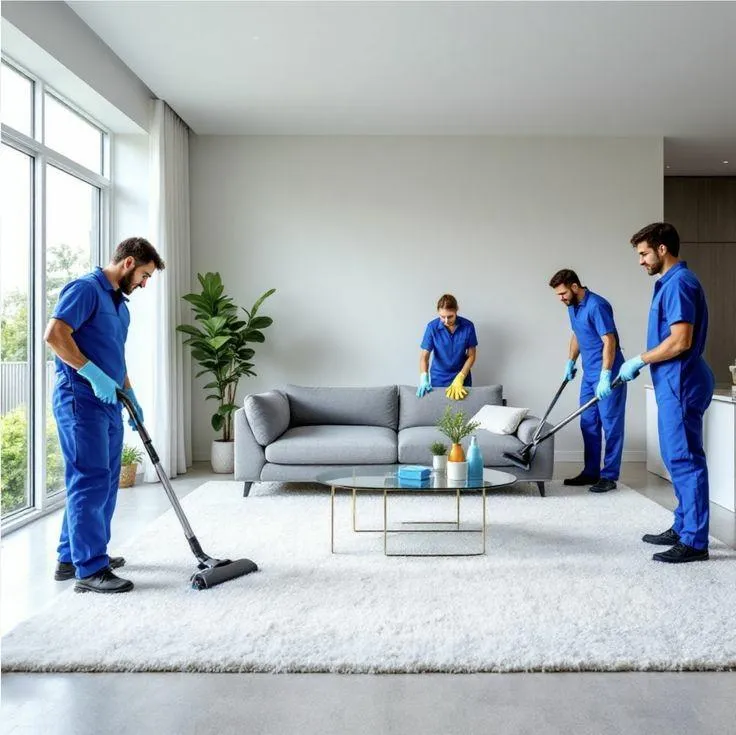
Daily hacks close the gap between cleanings. They don't replace a periodic deep clean, especially in bathrooms, kitchens, and anywhere mold or built-up grime has a chance to take hold. If a household's schedule makes it hard to keep up with that deeper layer of cleaning, a recurring cleaning plan or a one-time deep cleaning service covers what daily habits can't.
Quick Reference: Time and Effort for Each Hack
| Hack | Time Needed | Best For |
|---|---|---|
| 1. Microwave a wet sponge | 2 minutes | Kitchen sanitizing |
| 2. Baking soda on carpet | 15–30 min (mostly passive) | Odor, not stains |
| 3. Vinegar on glass | 1–2 minutes per window | Streak-free mirrors and windows |
| 4. Shoes off at the door | 0 minutes (habit) | Floor cleanliness, kids and pets |
| 5. Dryer sheet dusting | 2–3 minutes | Blinds, baseboards, screens |
| 6. Sponge + fridge wipe-down | 5 minutes | Cross-contamination prevention |
| 7. Squeegee on upholstery | 3–5 minutes | Pet hair removal |
| 8. Clean while cooking | 0 extra minutes (habit) | Faster after-dinner cleanup |
| 9. Toothpaste on chrome | 2 minutes per fixture | Water spots, light tarnish |
| 10. Call a professional | Varies | Deep cleans, bathrooms, mold |
Why Consistency Matters More Than Any Single Hack
None of these habits requires a special product or more than a few minutes. What they have in common is that they're small enough to do without thinking about it, which is exactly why they work better than an occasional deep clean. For more on why that consistency actually matters for a household's health, see why regular cleaning matters for your home. And if lint buildup in the laundry room is on the to-do list too, dryer vent cleaning is worth adding to the same seasonal routine.
Frequently Asked Questions
Does microwaving a sponge actually kill germs?
Yes. USDA testing found that microwaving a wet sponge for two minutes kills roughly 99.9999% of the bacteria on it, which is slightly more effective than a dishwasher cycle. Always wet the sponge first so it doesn't scorch.
Is vinegar safe to use on all glass and mirrors?
Generally yes, for standard glass and mirrors. Avoid it on natural stone surfaces near a window frame, since the acidity in vinegar can etch marble or limestone over time.
How often should I do a full deep clean if I'm using these daily hacks?
Daily hacks handle the small stuff between cleanings, but bathrooms and kitchens still benefit from a deeper clean every few weeks, more often in busy households. A recurring cleaning plan is an easy way to keep that on schedule without having to remember it.
Will a shoes-off rule really make a difference in how dirty my floors get?
Yes, more than most people expect. Research shows 90% to 99% of the bacteria on a shoe sole transfers to a clean floor on contact, so an entryway shoe basket noticeably cuts down how fast floors pick up dirt and bacteria.
Conclusion
A sparkling home isn't the result of one big push, it's the result of a few small habits repeated consistently. Sanitize the sponge, wipe as you cook, keep shoes at the door, and the deeper cleaning stays manageable instead of overwhelming.
This article was reviewed by The Tidy Team, professional cleaning specialists serving Maryland, Northern Virginia, and Washington DC. Questions about anything here, or want a hand with the deeper cleaning? Get in touch.
